How Packaging Design Became the Most Important Part of Launching a Beauty Brand
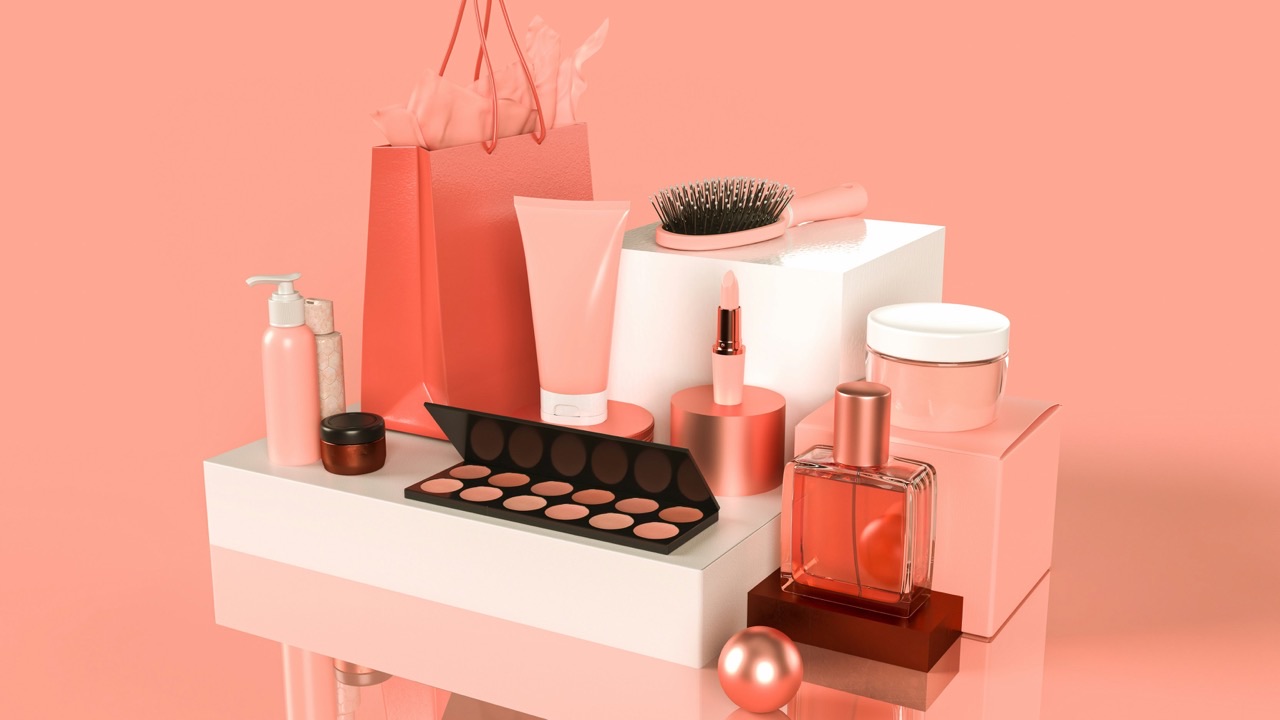
Ten years ago, launching a beauty brand meant having a great formula. If your moisturizer actually worked, if your serum delivered visible results, word would spread and the brand would grow. The product was the product.
That logic still holds, but it’s no longer enough on its own. The beauty market has changed in ways that have quietly shifted the balance between what’s inside a bottle and what the bottle looks like — and packaging design has moved from supporting role to lead actor.
The Formula Gap Has Closed
The reason packaging matters more now isn’t that formulas matter less. It’s that formulas have become harder to differentiate.
Contract manufacturers have made it easier than ever for small brands to access high-quality base formulations. The same labs that supply established brands are accessible to startups with relatively modest minimum order quantities. Hyaluronic acid serums, vitamin C treatments, retinol moisturizers — these product types now exist across hundreds of brands, many of them genuinely effective.
When the products themselves perform similarly, customers make decisions based on other signals. And the most visible signal, by far, is packaging.
Social Media Changed the Stakes
The other major shift is where discovery happens. A decade ago, most beauty products were found in stores, where a trained sales associate could explain a product’s benefits and customers could test it in person. The packaging needed to attract attention on a shelf and communicate a price point, but the product had other advocates.
Now a significant portion of discovery happens on Instagram, TikTok, and YouTube — platforms where visual impact is everything. A product is introduced to a potential customer as an image or a few seconds of video. In that format, a well-designed package does most of the selling. The color, the shape, the finish, the way it catches light — all of that communicates quality, personality, and desirability before a single claim is read.
The unboxing phenomenon made this even more pronounced. Influencers opening packages on camera have turned packaging into content, and content into marketing. A package that looks good being opened is a package that gets shared, and a package that gets shared reaches audiences that paid advertising can’t always reach.
The Bar Has Raised Across the Board
One consequence of all this is that the aesthetic standard for cosmetic packaging has risen sharply, even at lower price points. Consumers have been exposed to so many beautifully packaged products that their baseline expectations have shifted. A plain white tube with a basic label that would have looked acceptable ten years ago now reads as low-effort — even if the formula inside is excellent.
This has created something of a pressure on brands at every level. Prestige brands have always invested heavily in packaging. Now mass-market brands are doing the same, and indie brands that launched with simple packaging are redesigning to stay competitive.
For new brands entering the market, this means packaging design is no longer something to figure out after the formula is finalized. It has to be part of the strategy from the beginning.
What Good Packaging Design Actually Requires
The brands that get packaging right aren’t just picking colors they like and hiring a graphic designer. They’re thinking about packaging as a system — one where structure, material, and visual identity all work together toward a coherent brand experience.
Structure comes first. The format of the packaging needs to work for the formula, the fill process, and the end user. A pump that’s prone to clogging, a jar that’s hard to access, a closure that doesn’t seal properly — these things undermine the brand regardless of how good the outside looks.
Material selection feeds into both the structural and visual layers. Glass communicates premium. Frosted plastic reads as clean and modern. Matte finishes feel more contemporary than gloss in most categories right now. These are signals that the market reads almost unconsciously, and getting them right requires knowing not just what looks good in isolation but what reads correctly for the category and price point.
The visual layer — color, typography, finish treatments, print techniques — is where the brand personality comes through. But it works best when it’s built on structural and material decisions that already make sense.
Working with an experienced cosmetic packaging design partner means having access to all three layers at once, rather than trying to coordinate between separate designers, material suppliers, and manufacturers who may not speak the same language.
Where Brands Go Wrong
The most common mistake is treating packaging as a budget line to minimize rather than an investment to calibrate. Brands that cut corners on packaging to put more money into formulation or marketing often end up with a product that performs well but doesn’t convert — because customers never pick it up in the first place.
The second most common mistake is deciding on packaging too late. Changing the packaging structure after production has begun — because a closure isn’t compatible with the formula, or because a bottle shape doesn’t photograph well — is expensive and disruptive. Decisions made at the design stage are far cheaper than changes made later.
The brands that launch successfully tend to be the ones that treat packaging design as seriously as product development — not as a finishing touch, but as something that shapes the product itself.
The Bigger Picture
What’s happened in the beauty industry is a useful illustration of a broader principle: when products become more similar, presentation becomes more important. Packaging was always communicating something. Now it’s doing more of the work than ever, and the brands that understand that earliest tend to be the ones that grow fastest.
A great formula in forgettable packaging is a missed opportunity. A mediocre formula in great packaging is a problem waiting to surface. But a strong formula paired with packaging that tells the right story at the right moment — that’s what a successful beauty brand looks like today.